Industrial Siding Contractors: Installation, Repair, and Replacement Services – A Comprehensive Guide
Overview of Industrial Siding Contractors
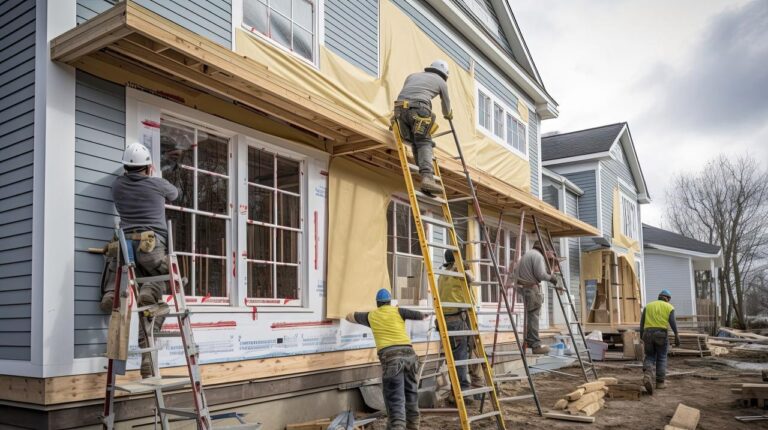
Industrial siding contractors play a crucial role in the construction industry by specializing in the installation, repair, and replacement of siding materials for industrial buildings. These professionals ensure that the exterior of industrial structures is not only visually appealing but also durable and weather-resistant.
Types of Services Offered
Industrial siding contractors offer a range of services to meet the varying needs of their clients. Some of the common services include:
- Installation of new siding materials
- Repair of damaged siding panels
- Replacement of old or worn-out siding
- Inspection and maintenance of existing siding
Industrial Siding Materials
Industrial siding contractors work with a variety of materials to meet the specific requirements of each project. Some of the commonly used industrial siding materials include:
- Metal siding: Durable and low maintenance, suitable for industrial applications.
- Composite siding: Made from a mix of materials for enhanced durability and aesthetics.
- Concrete siding: Provides excellent durability and fire resistance for industrial buildings.
- Fiber cement siding: Combines the look of wood with the durability of cement for a long-lasting finish.
Installation Services
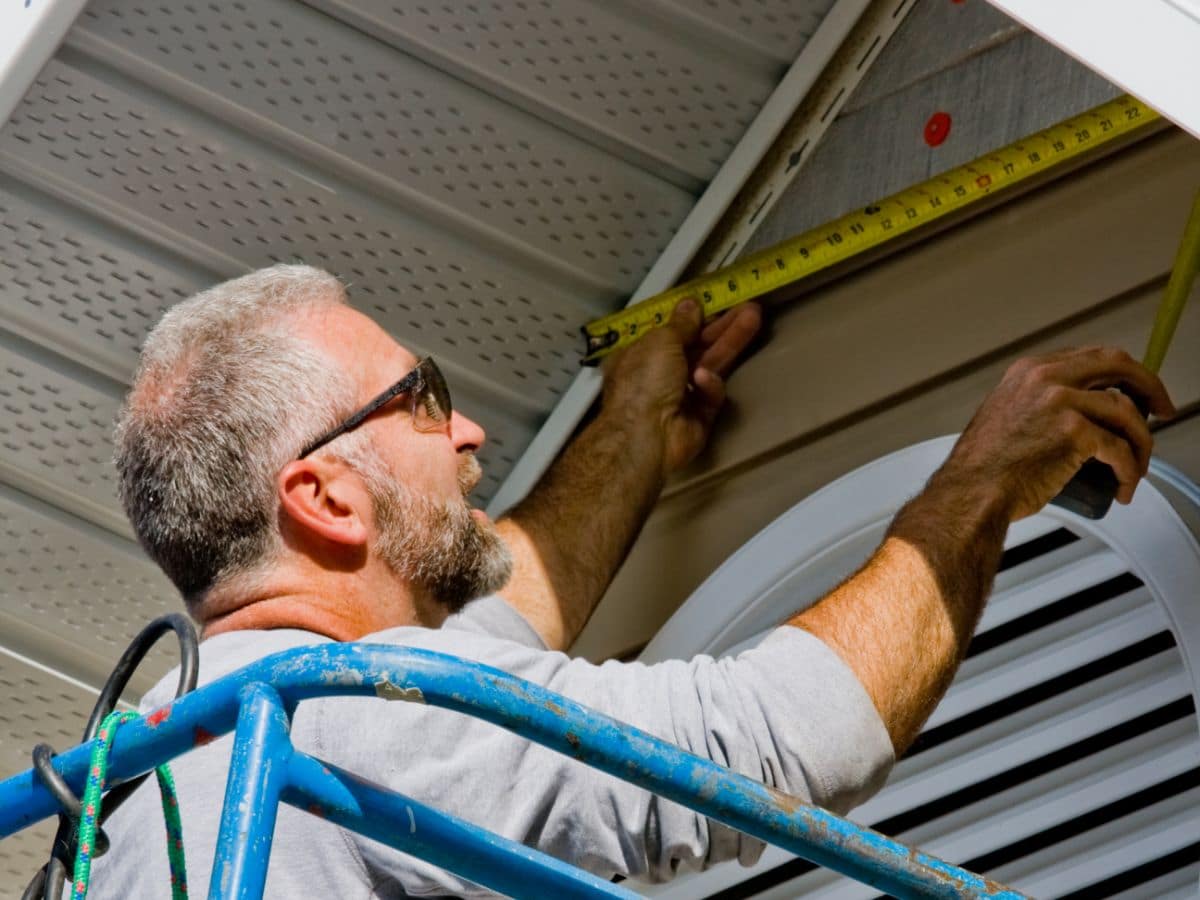
When it comes to installing industrial siding on buildings, there are specific processes and techniques that industrial siding contractors must follow to ensure a successful and durable installation. Let’s explore the key aspects of the installation services provided by industrial siding contractors.
Installation Process
- Preparation of the building: Before installing the siding, the contractors must prepare the building by ensuring the surface is clean, dry, and free of any debris or obstacles that could affect the installation.
- Measurement and cutting: Accurate measurements are taken to cut the siding panels to the correct size, ensuring a precise fit on the building.
- Attachment of siding: The siding panels are securely attached to the building using the appropriate fasteners and techniques to withstand environmental factors and ensure longevity.
- Finishing touches: Once the siding is installed, the contractors may apply finishing touches such as caulking and sealing to enhance the appearance and improve the overall performance of the siding.
Comparison of Techniques
- Traditional nail-on siding: This technique involves using nails to attach the siding panels to the building, providing a secure and reliable installation.
- Modern snap-lock systems: Some contractors may use snap-lock systems that interlock the siding panels, creating a seamless and watertight finish that is quick and easy to install.
- Adhesive methods: Adhesive methods are also used to install siding, offering a strong bond between the siding panels and the building surface.
Safety Measures
- Use of personal protective equipment (PPE): Industrial siding contractors must wear appropriate PPE, such as gloves, safety glasses, and hard hats, to protect themselves during the installation process.
- Adherence to OSHA regulations: Contractors must follow OSHA regulations to ensure a safe working environment, including proper ladder safety, fall protection, and equipment maintenance.
- Training and certification: Contractors should be properly trained and certified in siding installation techniques to minimize the risk of accidents and ensure high-quality workmanship.
Repair Services
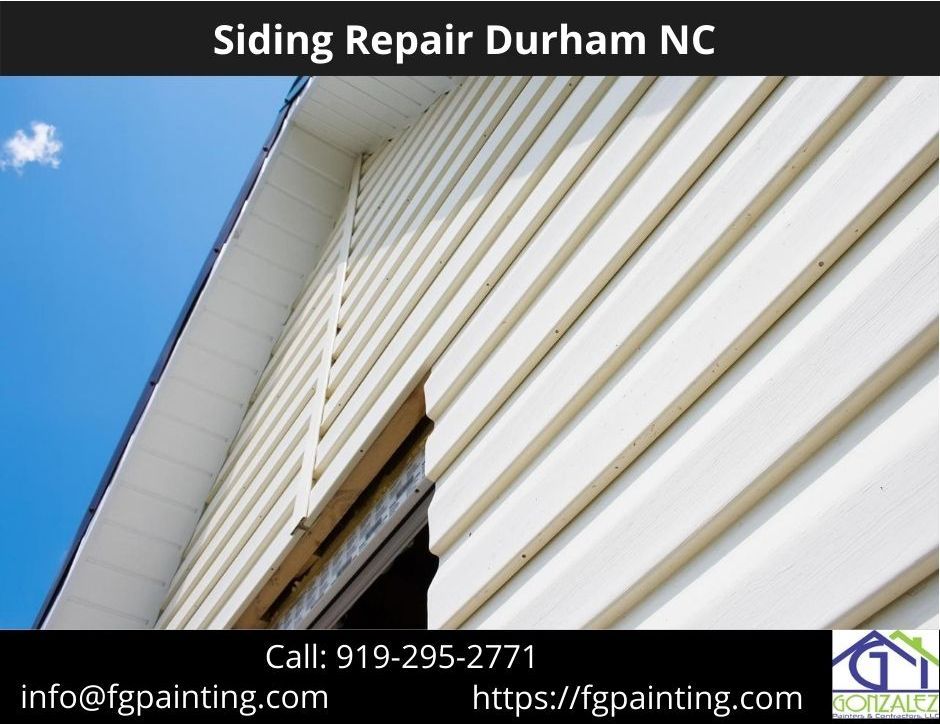
Industrial siding can face various issues over time due to exposure to harsh weather conditions, wear and tear, or improper installation. When these problems arise, it is essential to address them promptly to prevent further damage and maintain the integrity of the building.
Here, we will discuss common issues that may require repairs in industrial siding, the steps involved in repairing damaged industrial siding, and tips for maintaining industrial siding to prevent frequent repairs.
Common Issues Requiring Repairs
- Cracks and holes: These can develop over time due to impact, shifting foundations, or extreme weather conditions. They can compromise the structural integrity of the siding and lead to water infiltration.
- Loose or missing panels: Panels that are not securely attached or have gone missing can expose the building to the elements, causing moisture damage and reducing energy efficiency.
- Fading or discoloration: Exposure to sunlight and other environmental factors can cause industrial siding to fade or change color, affecting the appearance of the building.
Steps for Repairing Damaged Industrial Siding
- Assessment: Inspect the siding to identify the extent of the damage and determine the best course of action.
- Cleaning: Remove dirt, debris, and any loose material from the damaged area to prepare it for repairs.
- Repair or replacement: Depending on the severity of the damage, repair the existing siding or replace the damaged panels with new ones.
- Sealing: Ensure that the repaired or replaced siding is properly sealed to prevent water infiltration and further damage.
- Painting or finishing: If necessary, paint or finish the repaired area to match the rest of the siding and maintain a uniform appearance.
Tips for Maintaining Industrial Siding
- Regular inspections: Conduct routine inspections of the siding to identify any issues early on and address them promptly.
- Cleaning: Keep the siding clean by washing it regularly to remove dirt, mold, and other contaminants that can cause damage over time.
- Trim vegetation: Trim back trees, shrubs, and other vegetation near the siding to prevent damage from branches and roots.
- Address repairs promptly: If you notice any damage to the siding, such as cracks, holes, or loose panels, address them promptly to prevent further damage.
- Professional maintenance: Consider hiring professional industrial siding contractors for regular maintenance and repairs to ensure the longevity of your siding.
Replacement Services
Replacing industrial siding is often necessary due to wear and tear, damage from weather elements, or simply to update the look of a building. Here, we will detail the reasons for replacement, the procedure involved, and examples of innovative siding materials used for replacements.
Reasons for Replacement
- Severe damage: Industrial siding may need replacement if it has been severely damaged by storms, fire, or other external factors.
- Wear and tear: Over time, siding can deteriorate and lose its functionality, requiring replacement to maintain the building’s integrity.
- Aesthetic purposes: Sometimes, building owners opt to replace siding to enhance the visual appeal of the structure and keep it looking modern.
Procedure for Replacing Industrial Siding
- Assessment: The first step is to assess the current condition of the siding to determine the extent of replacement needed.
- Removal: The old siding is carefully removed, taking care not to damage the underlying structure.
- Preparation: Any repairs or modifications to the building’s exterior are made before installing the new siding.
- Installation: The new siding is installed using appropriate techniques and fasteners to ensure durability and weather resistance.
- Finishing touches: Trim, sealants, and other finishing touches are added to complete the replacement process.
Innovative Siding Materials
There are several innovative siding materials available for replacements, offering unique benefits such as improved durability, energy efficiency, and aesthetics:
Vinyl: A popular choice for its low maintenance and variety of colors and styles.
Fiber Cement: Known for its durability and resistance to fire, insects, and rot.
Metal: Offers a modern look, high durability, and low maintenance requirements.
Query Resolution
What are the common issues that may require repairs in industrial siding?
Common issues include cracks, dents, and weather damage that may necessitate repairs to maintain the integrity of the siding.
What safety measures must industrial siding contractors follow during installations?
Industrial siding contractors must adhere to safety protocols such as wearing protective gear, securing scaffolding properly, and following OSHA guidelines to ensure a safe working environment.
Why may industrial siding need to be replaced?
Industrial siding may need replacement due to extensive damage, structural issues, or aesthetic upgrades to improve the overall appearance of the building.
What innovative siding materials are commonly used for replacements?
Innovative materials such as fiber cement, metal panels, and composite wood are increasingly popular choices for industrial siding replacements due to their durability and aesthetic appeal.