
Siding Replacement Deductible: Understanding Your Insurance Costs
Understanding Siding Replacement Deductible
When it comes to insurance policies for your home, understanding the concept of a siding replacement deductible is crucial. This deductible refers to the amount of money you are responsible for paying out of pocket before your insurance coverage kicks in to cover the remaining costs of replacing damaged siding.
How Siding Replacement Deductibles Work
Typically, when you file a claim for siding damage, your insurance company will assess the total cost of the replacement. They will then subtract your deductible from this amount, and you will be responsible for paying that deductible before receiving any reimbursement from your insurance.
In essence, the siding replacement deductible acts as a form of self-insurance, ensuring that homeowners have a financial stake in the repair or replacement process.
Examples of Situations Where Siding Replacement Deductibles Apply
- If a severe storm causes hail damage to your siding, you may need to file a claim with your insurance company. Let’s say the total cost of replacing the damaged siding is $5,000, and your deductible is $1,000. You would need to pay the $1,000 deductible, and your insurance would cover the remaining $4,000.
- In another scenario, if your siding is damaged due to a fallen tree, and the cost of replacement is $3,000 with a $500 deductible, you would need to pay $500, and your insurance would cover the rest.
Factors Affecting Siding Replacement Deductibles
When it comes to siding replacement deductibles, several factors come into play that can influence the overall cost. These factors determine how much you may need to pay out of pocket when replacing your siding. Understanding these variables can help you better prepare for potential expenses.
Impact of Siding Age and Condition
The age and condition of your siding can significantly impact the deductible amount. If your siding is old and worn out, it may be more susceptible to damage, leading to a higher deductible. On the other hand, if your siding is relatively new and well-maintained, the deductible amount may be lower.
Insurance companies consider the risk associated with older siding when determining the deductible, so it’s essential to keep your siding in good shape to potentially reduce costs.
Effect of Property Location
The location of your property can also affect the siding replacement deductible. Properties located in areas prone to severe weather conditions, such as hail storms or high winds, may have higher deductibles due to the increased risk of siding damage.
Similarly, properties in regions with a history of natural disasters like hurricanes or tornadoes may face higher deductible amounts. Insurance companies take into account the specific risks associated with your property’s location when calculating the deductible, so it’s important to be aware of how your location can impact costs.
Insurance Coverage for Siding Replacement
When it comes to siding replacement, understanding your insurance coverage is crucial. Let’s delve into the typical insurance coverage for siding replacement and the common types of insurance policies that cover this type of repair.
Typical Insurance Coverage for Siding Replacement
- Homeowners Insurance: Most standard homeowners insurance policies cover siding replacement in cases of damage caused by covered perils such as fire, wind, hail, or vandalism.
- Comprehensive Coverage: Some insurance policies offer comprehensive coverage that includes siding replacement for a wider range of perils, providing more extensive protection.
Limitations and Exclusions
- Wear and Tear: Insurance policies typically do not cover siding replacement due to normal wear and tear or lack of maintenance.
- Flooding: Siding damage caused by flooding may not be covered under standard homeowners insurance and may require additional flood insurance.
- Earth Movement: Damage to siding resulting from earthquakes or landslides may be excluded from coverage and require separate policies.
Calculating Siding Replacement Costs
When it comes to calculating siding replacement costs, several factors need to be considered to ensure an accurate estimation. This process involves assessing various components that contribute to the overall expenses, including materials, labor, and deductible amounts.
Components of Siding Replacement Cost Estimation
- Materials: The type and quality of siding material chosen for replacement will significantly impact the overall cost. Materials can range from vinyl, wood, fiber cement, and metal, each with different price points.
- Labor: The cost of labor for siding replacement will depend on factors such as the size of the project, location, and complexity of the installation. Hiring professional contractors will add to the total expenses.
- Additional Costs: Other expenses to consider include permits, disposal of old siding, equipment rentals, and any unforeseen damages that may require repairs.
Factoring Deductible Amounts into Siding Replacement Expenses
It is important to note that deductible amounts set by your insurance policy will also play a role in determining how much you will have to pay out of pocket for siding replacement. Deductibles can vary depending on your coverage and insurance provider.
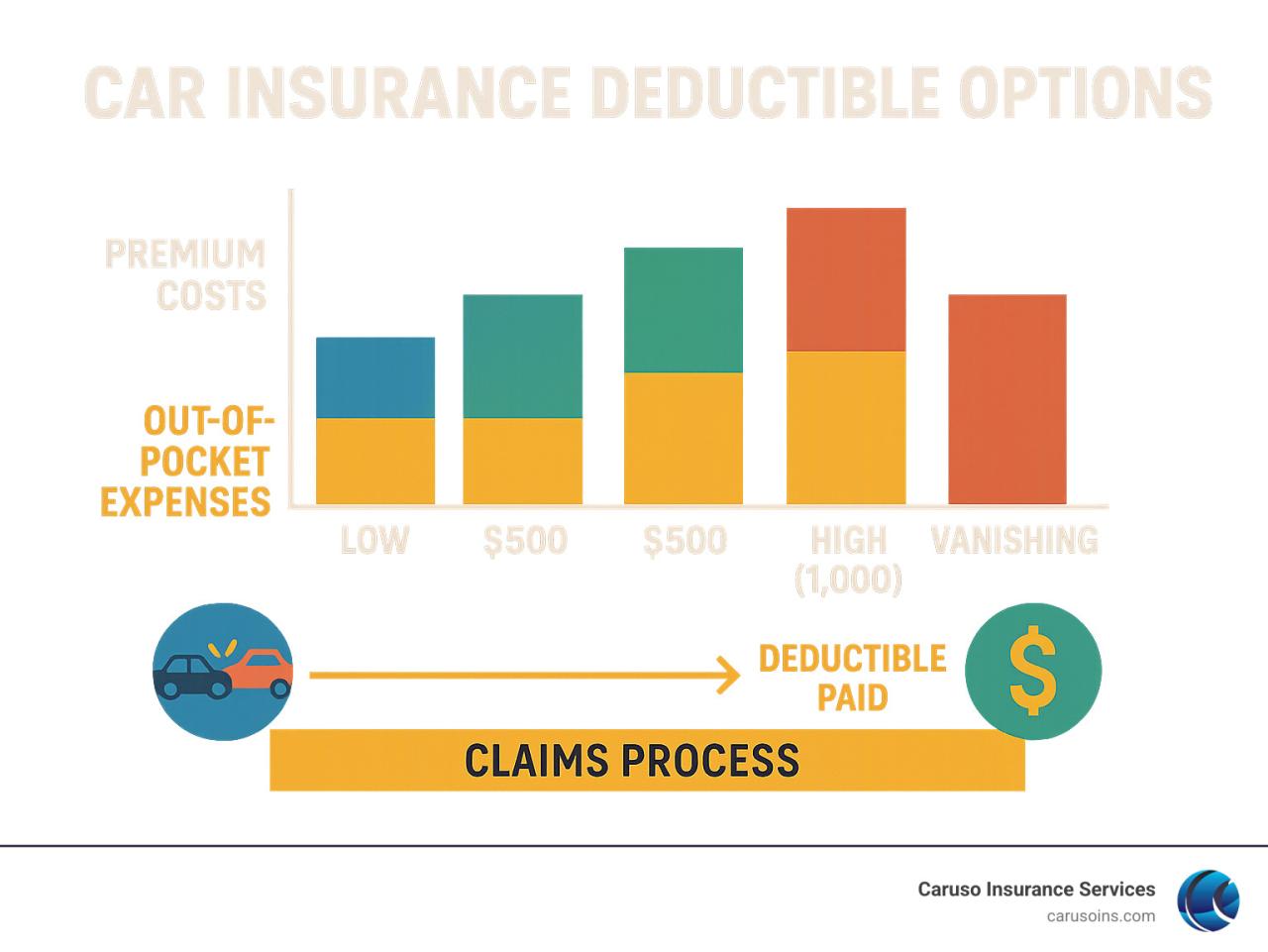
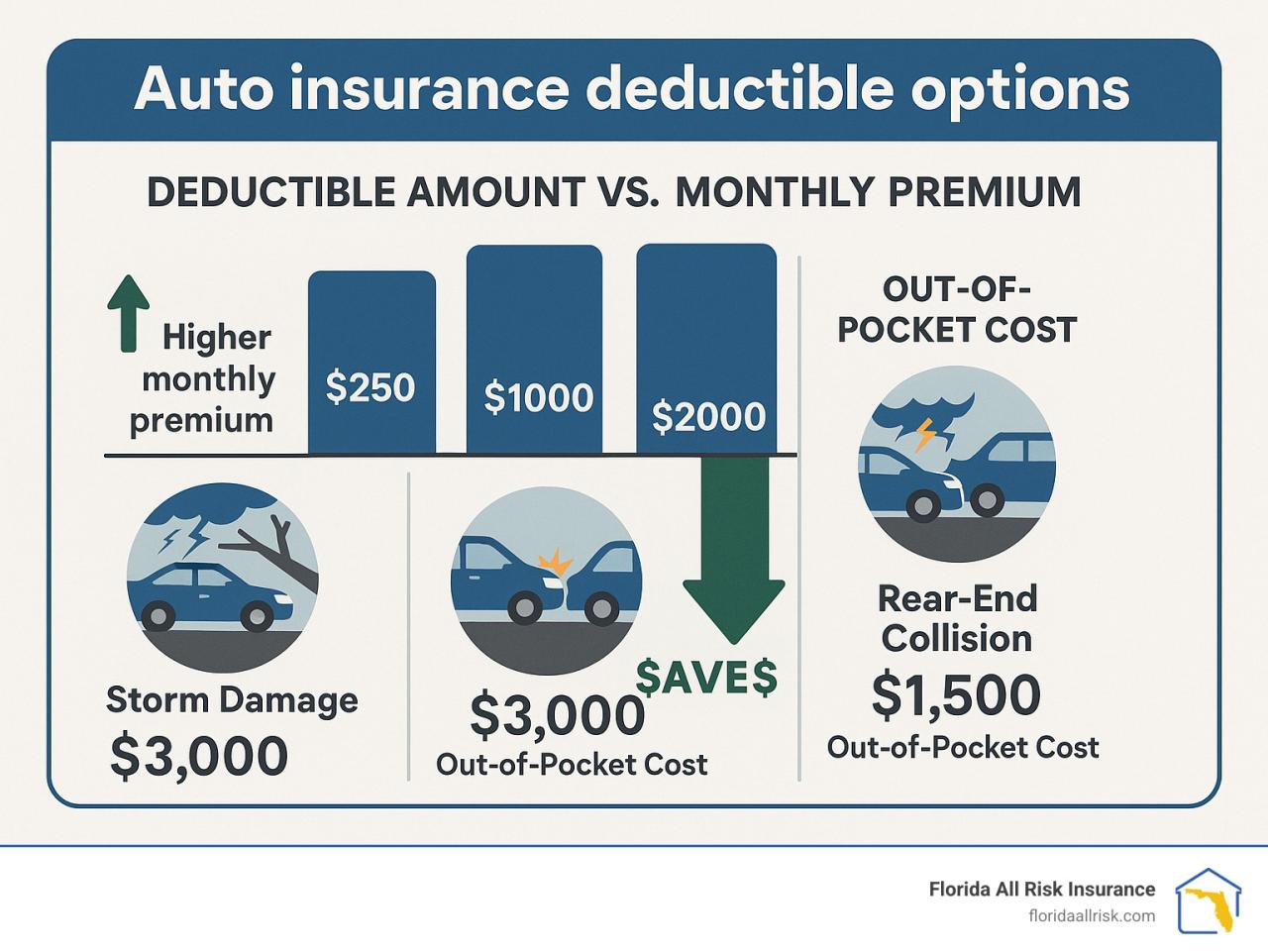
- Higher Deductibles: Opting for a higher deductible can lower your insurance premiums but will require you to cover more of the siding replacement costs upfront in the event of a claim.
- Lower Deductibles: Choosing a lower deductible will result in higher premiums but reduce the out-of-pocket expenses associated with siding replacement.
- Comparing Costs: It is essential to weigh the pros and cons of different deductible amounts to find a balance between affordable premiums and manageable out-of-pocket costs for siding replacement.
Commonly Asked Questions
What is a siding replacement deductible?
A siding replacement deductible is the amount a homeowner must pay out of pocket before their insurance coverage kicks in to cover the costs of replacing damaged siding.
How does the age and condition of siding affect the deductible?
The age and condition of siding can impact the deductible amount as older or more deteriorated siding may lead to higher deductibles due to increased risk of damage.
What are some common types of insurance policies that cover siding replacement?
Common types of insurance policies that cover siding replacement include homeowners insurance and property insurance.