Weatherboard Replacement Cost Australia: What Homeowners Should Expect
Types of Weatherboards
Weatherboards are a popular choice for cladding homes in Australia due to their durability and aesthetic appeal. There are several types of weatherboards commonly used in the country, each with its own set of pros and cons.
Fibre Cement Weatherboards
Fibre cement weatherboards are a popular choice for many homeowners in Australia. They are durable, low maintenance, and resistant to fire, moisture, and pests. Additionally, they come in a variety of colors and styles, allowing for customization to suit different architectural styles.
Timber Weatherboards
Timber weatherboards are a traditional choice that adds a classic look to homes. They are versatile and can be easily painted or stained to achieve the desired aesthetic. However, timber weatherboards require more maintenance compared to fibre cement, as they are prone to rotting, warping, and termite damage.
UPVC Weatherboards
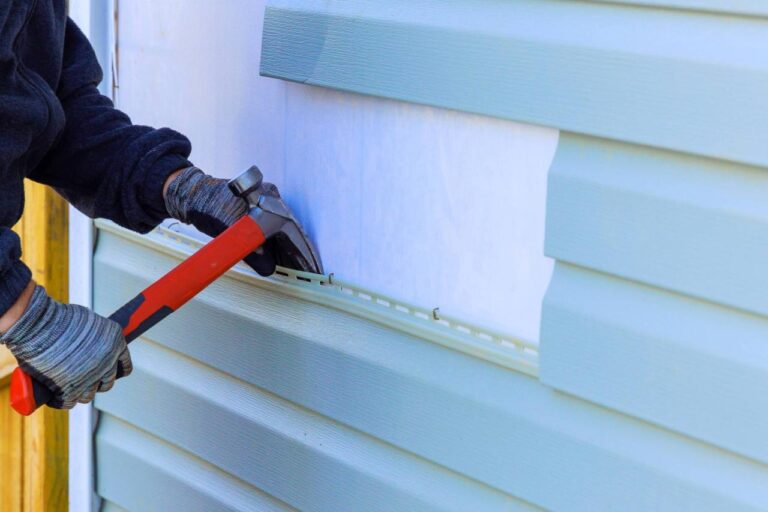
UPVC weatherboards are a modern alternative to traditional options. They are lightweight, easy to install, and resistant to rot, mold, and pests. UPVC weatherboards are also low maintenance and come in a range of colors and finishes.
Popular Brands
Some popular brands for weatherboards in Australia include James Hardie for fibre cement weatherboards, Weathertex for timber weatherboards, and Palliside for UPVC weatherboards. These brands are known for their quality and durability, making them trusted choices for homeowners looking to replace their weatherboards.
Factors Affecting Weatherboard Replacement Cost

When it comes to replacing weatherboards on your home, several factors can influence the overall cost. Understanding these factors can help homeowners better prepare for the expenses involved in the process.
Size of the House
Replacing weatherboards on a larger house will naturally cost more than on a smaller one. The size of the house directly impacts the amount of materials needed and the labor required for the replacement.
Quality of Materials
The quality of materials chosen for the replacement can significantly affect the overall cost. High-quality weatherboards may come at a higher price but could offer better durability and longevity, potentially reducing future maintenance costs.
Additional Factors
- Labor Costs: The cost of labor for the replacement job can vary depending on the complexity of the project and the rates of the professionals hired.
- Location: The location of the house can also play a role in determining the replacement cost. Factors such as accessibility, local building codes, and labor availability can impact pricing.
- Accessibility: If the house is difficult to access or requires special equipment for the replacement, additional costs may be incurred.
Average Cost Breakdown
When it comes to weatherboard replacement costs in Australia, it’s essential for homeowners to have a clear understanding of the typical expenses involved. This breakdown will help you anticipate the financial aspects of this home improvement project.The average cost breakdown for weatherboard replacement in Australia usually consists of two main components: material costs and labor costs.
On average, material costs make up around 40-50% of the total expenses, while labor costs account for the remaining 50-60%.
Material Costs
Material costs include the price of the weatherboards themselves, as well as any additional materials needed for installation such as nails, paint, and sealant. Depending on the quality and type of weatherboards chosen, material costs can vary significantly. It’s important to factor in these costs when budgeting for your project.
Labor Costs
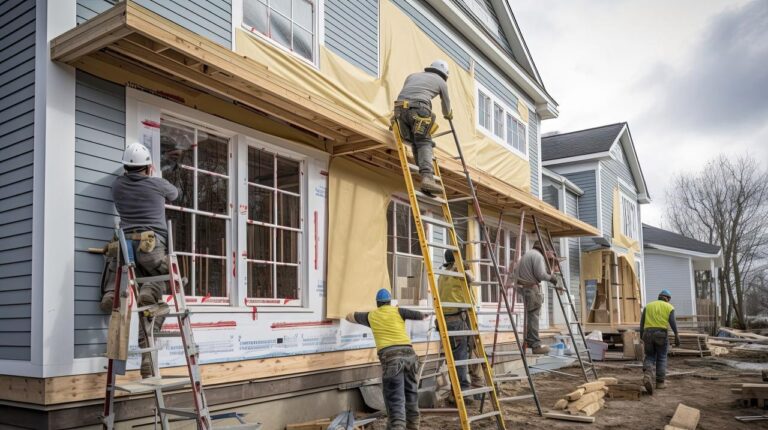
Labor costs are typically the most significant portion of weatherboard replacement expenses. This includes the cost of hiring professionals to remove the old weatherboards, install the new ones, and any additional work such as painting or sealing. Labor costs can vary based on the size of your home, accessibility, and the expertise of the contractors you hire.
Hidden Costs and Unexpected Expenses
Aside from material and labor costs, homeowners should also be aware of potential hidden costs or unexpected expenses that may arise during the weatherboard replacement process. These could include structural damage discovered during removal, additional repairs needed, or permit fees required by local authorities.
It’s important to allocate a contingency fund to cover any unforeseen expenses that may come up.
DIY vs. Professional Replacement
When it comes to weatherboard replacement, homeowners often face the decision of whether to tackle the project themselves or hire professionals. Each option comes with its own set of advantages, disadvantages, risks, and challenges.
Cost Comparison
- DIY: The main advantage of opting for a do-it-yourself approach is the potential cost savings. By eliminating labor costs, homeowners can significantly reduce the overall expenses associated with weatherboard replacement. However, it’s essential to consider the cost of materials, tools, and equipment needed for the project, which can add up.
- Professional: Hiring professionals may come at a higher initial cost due to labor expenses. However, the expertise and experience that professionals bring to the table can ensure a more efficient and high-quality replacement. Additionally, professionals may have access to discounted materials, ultimately balancing out the overall cost.
Advantages and Disadvantages
- DIY: One of the advantages of a DIY replacement is the sense of accomplishment and control over the project. Homeowners can work at their own pace and customize the process to their preferences. On the downside, lack of experience and expertise can lead to mistakes, delays, and potentially higher costs if errors occur.
- Professional: Hiring professionals guarantees a higher level of skill and efficiency. They can complete the replacement quickly and with precision, minimizing the chances of errors. However, homeowners may have less control over the process and may need to work around the professionals’ schedule.
Potential Risks and Challenges
- DIY: One of the biggest risks of a DIY weatherboard replacement is improper installation. Inaccurate measurements, poor material selection, or incorrect techniques can lead to structural issues and the need for costly repairs down the line. Additionally, DIY projects can be time-consuming and physically demanding, especially for those with limited experience.
- Professional: While hiring professionals reduces the risk of installation errors, homeowners should still be cautious of potential scams or unqualified contractors. Researching and selecting reputable professionals is crucial to ensuring a successful replacement. Additionally, scheduling conflicts and unexpected delays may arise when working with external contractors.
Tips for Cost-Effective Weatherboard Replacement
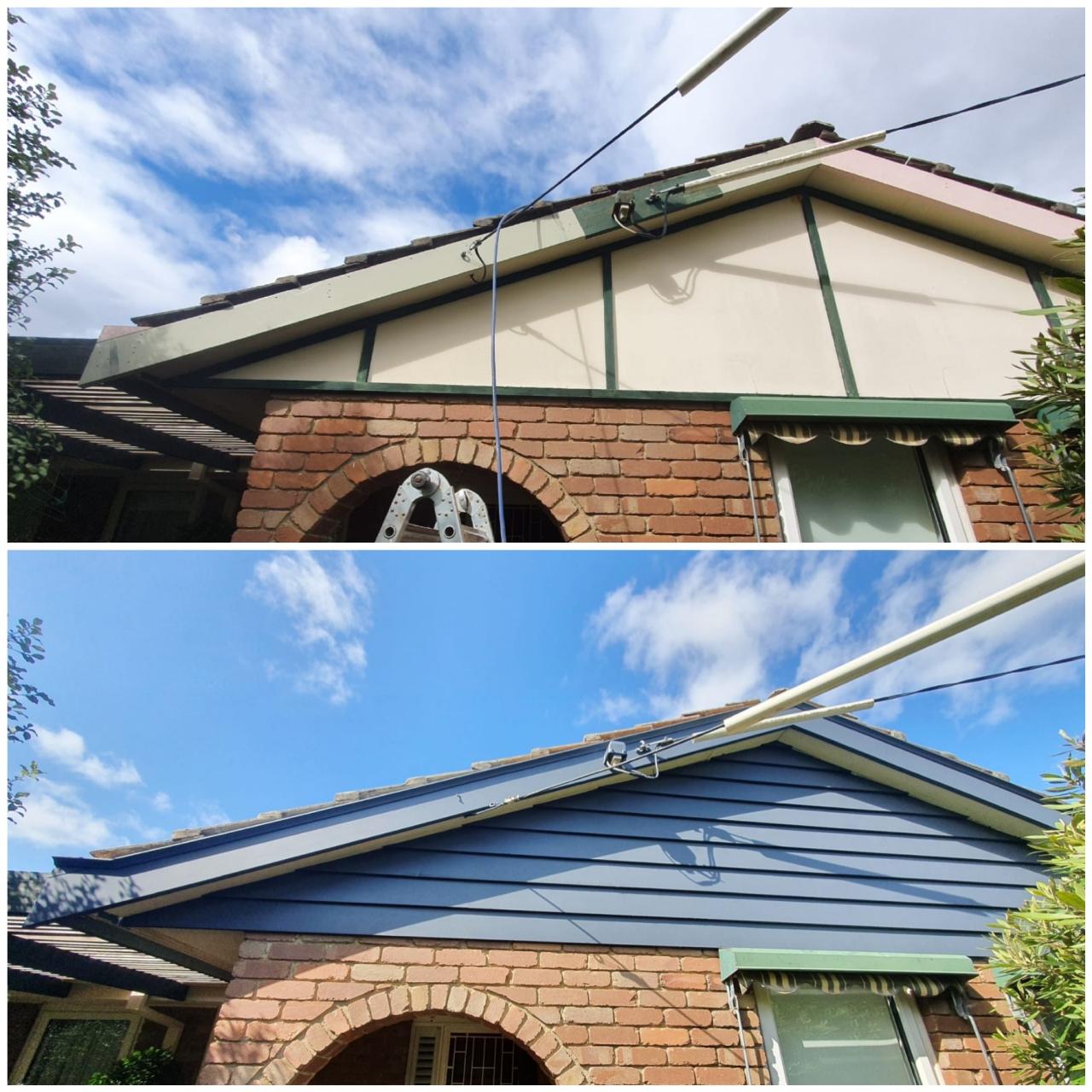
When it comes to weatherboard replacement, homeowners can take certain steps to save money without compromising on quality. By being strategic in their approach and considering cost-effective alternatives, they can ensure a successful replacement process while staying within budget.
Consider Reclaimed or Recycled Materials
One way to save money on weatherboard replacement is to consider using reclaimed or recycled materials. These materials are often more affordable than brand new ones and can add a unique character to your home. Look for local suppliers or salvage yards that offer these sustainable options.
DIY for Simple Tasks
For homeowners who are handy and have some basic carpentry skills, tackling simple tasks like removing old weatherboards or painting can help reduce labor costs. However, it’s important to know your limits and hire professionals for more complex aspects of the replacement process to ensure quality and safety.
Get Multiple Quotes and Negotiate
Before committing to a contractor, it’s essential to get multiple quotes from different professionals to compare prices and services. Don’t hesitate to negotiate with contractors to get the best deal possible. Be clear about your budget and requirements to ensure transparency and avoid any hidden costs.
FAQ Corner
What are the different types of weatherboards commonly used in Australia?
Common types include timber, vinyl, and fiber cement weatherboards.
How does the size of the house impact the overall cost of weatherboard replacement?
Larger houses typically require more materials and labor, leading to higher replacement costs.
What are some cost-effective tips for weatherboard replacement?
Homeowners can save money by comparing quotes from different contractors, opting for quality materials, and negotiating for better deals.