Weatherboard Cladding Cost: Installation, Repairs, and Replacement Explained
Introduction to Weatherboard Cladding
Weatherboard cladding is a type of exterior covering for buildings designed to protect the structure from the elements while enhancing its aesthetic appeal. It serves as a protective layer against wind, rain, and other weather conditions.
Types of Weatherboard Cladding Materials
There are various materials used for weatherboard cladding, each with its unique characteristics and benefits:
- Timber: Traditional and versatile, timber weatherboards offer a natural look and can be painted or stained to suit different styles.
- Fiber Cement: Durable and low-maintenance, fiber cement weatherboards are resistant to rot, fire, and pests.
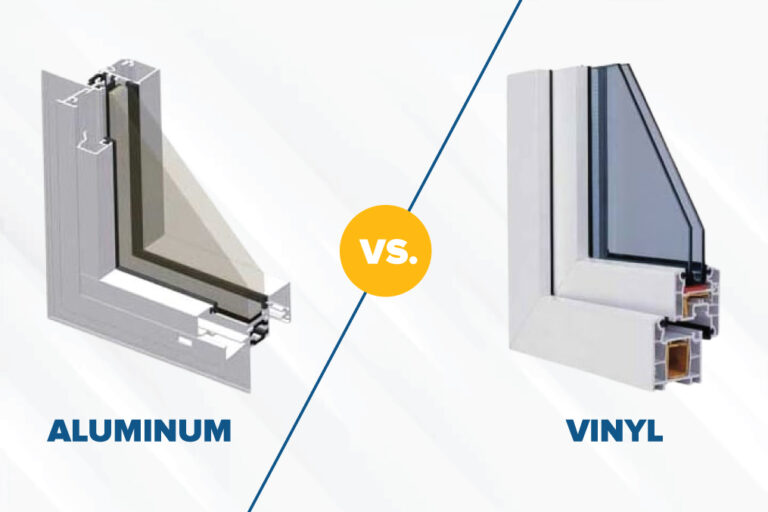
- Vinyl: Affordable and easy to install, vinyl weatherboards come in a range of colors and textures.
- Composite: Made from a combination of materials, composite weatherboards offer the benefits of both natural and synthetic options.
Benefits of Using Weatherboard Cladding
Utilizing weatherboard cladding on a property can provide several advantages:
- Enhanced Insulation: Weatherboards can improve the energy efficiency of a building by providing an additional layer of insulation.
- Aesthetic Appeal: Weatherboards come in various styles and colors, allowing homeowners to customize the look of their property.
- Protection: Weatherboard cladding shields the underlying structure from moisture, UV rays, and other external factors that can cause damage over time.
- Longevity: With proper maintenance, weatherboard cladding can have a long lifespan, adding value to the property.
Weatherboard Cladding Installation
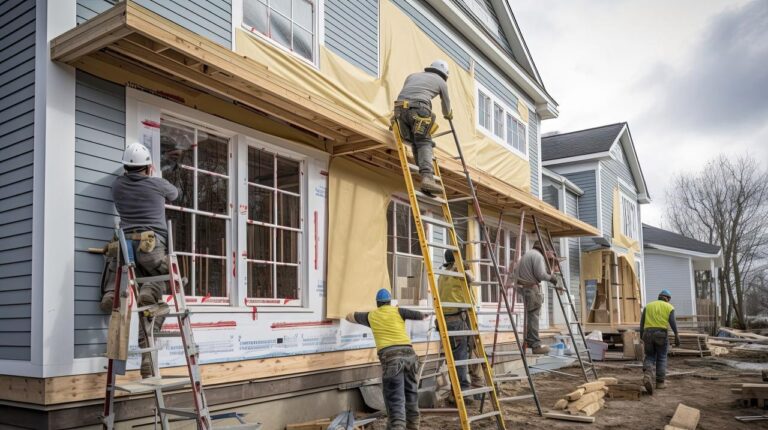
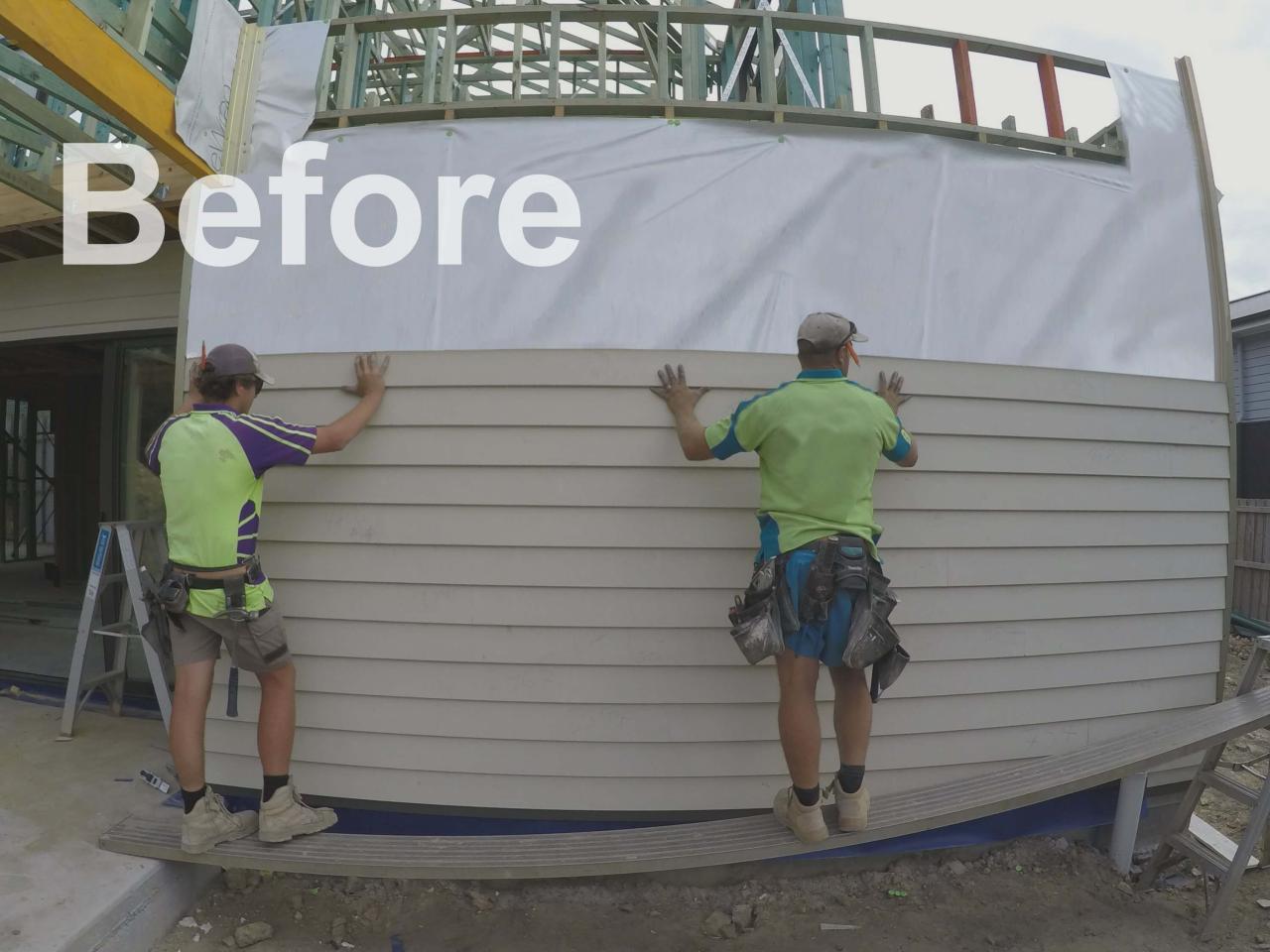
When it comes to installing weatherboard cladding, there are several important steps to follow to ensure a successful outcome. Proper preparation of the surface is crucial, and avoiding common mistakes can save time and money in the long run.
Steps Involved in Installing Weatherboard Cladding
- Measure and cut the weatherboard to fit the area properly.
- Prepare the surface by cleaning and removing any existing cladding or debris.
- Apply a weatherproof barrier to protect the underlying structure.
- Install the weatherboard using nails or screws, following the manufacturer’s guidelines.
- Seal the joints and edges to prevent moisture infiltration.
Tips for Preparing the Surface Before Installation
- Ensure the surface is clean, dry, and free of any mold or mildew.
- Repair any damaged areas or rot before installing the new weatherboard.
- Consider adding insulation or a vapor barrier for added protection.
Common Mistakes to Avoid During the Installation Process
- Avoid overdriving nails or screws, as this can cause damage to the weatherboard.
- Do not install weatherboard cladding on uneven or unstable surfaces.
- Skipping the weatherproof barrier can lead to moisture issues in the future.
Cost Factors for Weatherboard Cladding Installation
When considering installing weatherboard cladding, it is important to understand the key cost factors that can influence the overall expenses. These factors include the materials used, labor costs, and any additional services required during the installation process.
Weatherboard Cladding Materials
- Timber Weatherboards: Traditional and aesthetically pleasing, timber weatherboards are a popular choice but can be more expensive due to the cost of the raw material.
- Fiber Cement Weatherboards: Durable and low maintenance, fiber cement weatherboards are a cost-effective option that can mimic the look of timber at a lower price point.
- UPVC Weatherboards: UPVC weatherboards are lightweight, easy to install, and require minimal maintenance, making them a budget-friendly choice for homeowners.
Labor Costs
Labor costs play a significant role in the overall expenses of weatherboard cladding installation. These costs can vary depending on the complexity of the installation, the size of the project, and the location of the property. It is important to factor in labor costs when budgeting for weatherboard cladding installation, as skilled labor is essential for a successful and long-lasting installation.
Weatherboard Cladding Repairs
When it comes to weatherboard cladding, repairs may be necessary to maintain the integrity and appearance of your home. Identifying common issues early on and knowing how to properly repair them can help prevent more extensive damage in the future.
Here’s a guide on how to address weatherboard cladding repairs.
Identifying Common Issues
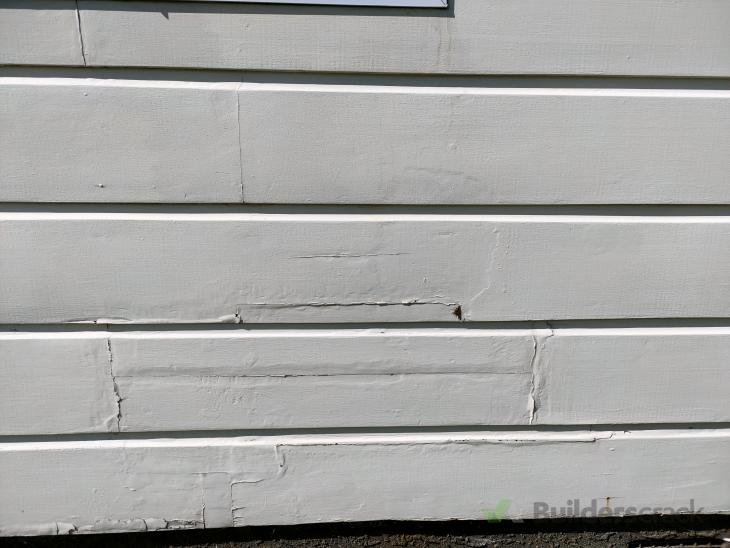
- Rotting or decaying wood: Look for discolored, soft, or crumbling areas on the weatherboards, which indicate rot.
- Cracks or splits: Check for any cracks or splits in the boards, which can allow moisture to seep in and cause further damage.
- Peeling or blistering paint: Peeling or blistering paint can be a sign of moisture issues or poor adhesion, leading to potential water damage.
Steps for Repairing Weatherboard Cladding
- Start by removing any damaged sections of weatherboard, taking care to cut back to healthy wood.
- Clean the area thoroughly to remove any dirt, debris, or mold that may have accumulated.
- Apply a wood preservative to protect against future rot or decay.
- Fill cracks or splits with an appropriate wood filler and sand down any rough edges for a smooth finish.
- Prime and repaint the repaired area to match the existing weatherboard cladding.
Tips for Maintenance
- Regularly inspect your weatherboard cladding for any signs of damage or wear.
- Keep the cladding clean and free of debris to prevent moisture buildup.
- Ensure proper ventilation around the cladding to prevent mold and mildew growth.
- Consider applying a protective sealant or topcoat to enhance the longevity of the cladding.
Weatherboard Cladding Replacement
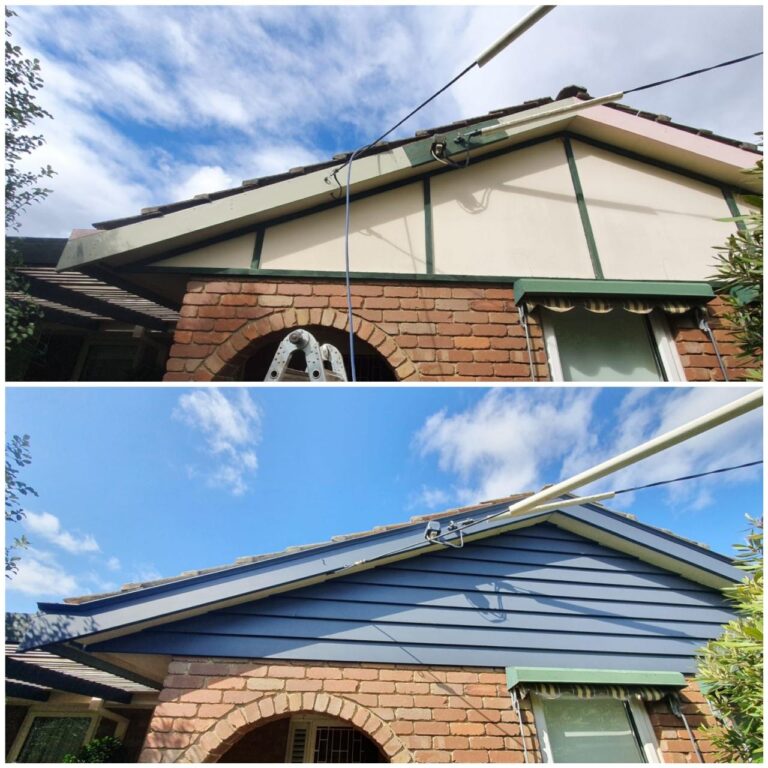
When it comes to weatherboard cladding, there may come a time when repairs are no longer sufficient, and a full replacement is necessary. This could be due to extensive damage, rot, or simply the age of the existing cladding.
Necessity of Weatherboard Cladding Replacement
- If the weatherboard cladding is extensively damaged beyond repair, replacement may be the only viable option to ensure structural integrity.
- Rot or decay in the weatherboard cladding can spread quickly and compromise the entire exterior of the building, necessitating replacement.
- Older weatherboard cladding that is no longer effective at protecting the building from the elements may need to be replaced to improve insulation and energy efficiency.
Process of Replacing Weatherboard Cladding
Replacing weatherboard cladding involves several steps to ensure a successful and long-lasting outcome:
- Assessment: Evaluate the condition of the existing cladding and determine the extent of the damage or deterioration.
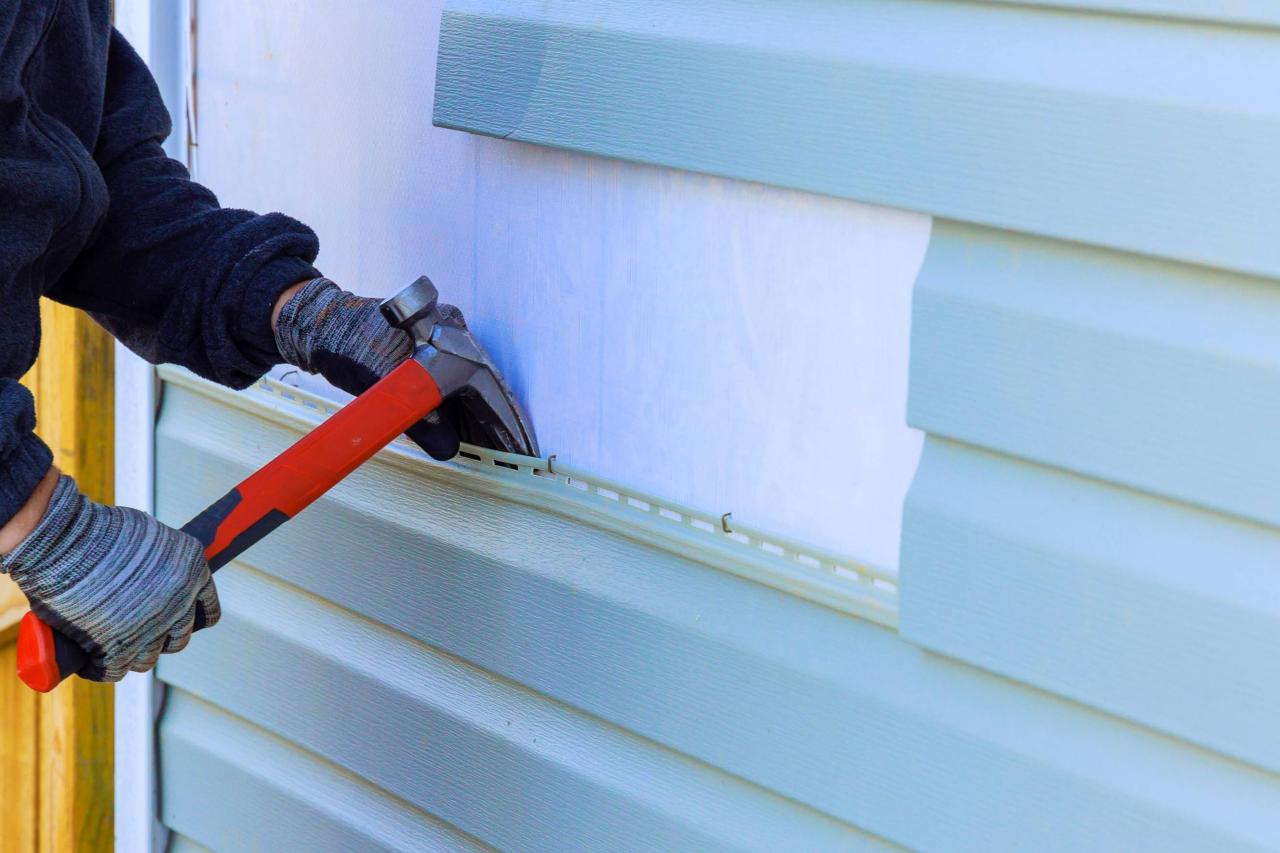
- Removal: Carefully remove the old weatherboard cladding, taking care not to damage the underlying structure.
- Preparation: Prepare the surface for installation of the new cladding, ensuring it is clean and free of any debris.
- Installation: Install the new weatherboard cladding following manufacturer guidelines and best practices for a secure and weather-tight fit.
- Finishing: Complete the replacement with finishing touches like painting or sealing to protect the new cladding.
Cost Implications of Weatherboard Cladding Replacement
Replacing weatherboard cladding can be more costly than repairs, but it is essential in certain situations:
While repairs may seem like a more budget-friendly option initially, repeated repairs can add up over time. In cases where extensive damage or decay is present, replacement may be a more cost-effective long-term solution.
- The cost of weatherboard cladding replacement will depend on factors such as the size of the area to be replaced, the type of cladding chosen, and labor costs.
- While the upfront cost of replacement may be higher, the improved durability and longevity of new weatherboard cladding can provide value in the long run.
FAQ Compilation
What are the key factors influencing weatherboard cladding costs?
Factors such as material quality, labor expenses, and the extent of repairs needed play a significant role in determining the overall cost of weatherboard cladding.
How can I maintain weatherboard cladding to avoid extensive repairs?
Regular cleaning, timely repairs of any damage, and applying protective coatings can help maintain weatherboard cladding and prevent the need for major repairs.
When should weatherboard cladding be replaced instead of repaired?
Weatherboard cladding should be replaced when the damage is extensive, affecting the structural integrity of the property or when repairs would be more costly in the long run.