
Can Damaged Siding Affect Home Insurance Premiums?
Can Damaged Siding Affect Home Insurance Premiums?

Damaged siding can indeed have an impact on home insurance premiums. Insurance companies consider the condition of your home’s siding when determining the cost of your insurance policy. Damaged siding can lead to potential risks for the insurance company, which may result in higher premiums for the homeowner.
Types of Siding Damage that Could Influence Premiums
- Cracks and Holes: Holes or cracks in siding can allow moisture to seep into the walls, leading to water damage and mold growth.
- Warped or Buckled Siding: Warped or buckled siding may indicate underlying structural issues, such as rot or insect infestations, which pose risks to the integrity of the home.
- Fading or Peeling Paint: Faded or peeling paint can expose the siding to the elements, potentially accelerating deterioration and reducing the lifespan of the material.
Assessment Process by Insurance Companies
Insurance companies typically send inspectors to assess the condition of a property before issuing a policy or during a renewal. During this inspection, the siding’s condition will be evaluated, and any damage noted. Based on the severity of the damage and the potential risks associated with it, the insurance company will adjust the premiums accordingly.
It is essential for homeowners to maintain their siding in good condition to avoid any negative impacts on their insurance premiums.
Types of Siding Damage
When it comes to siding damage, there are various types that can occur, each with its own implications for home insurance premiums. Understanding these different types of damage is crucial for homeowners looking to protect their investment and manage insurance costs effectively.
1. Weather-Related Damage
Weather-related damage is a common issue that can affect siding, including damage from hail, wind, rain, snow, and extreme temperatures. Insurers may consider the frequency and severity of weather-related damage in your area when calculating premiums, as homes in high-risk areas may face higher insurance costs.
2. Water Damage
Water damage can occur due to leaks, flooding, or improper drainage, leading to mold, rot, and deterioration of siding material. Insurers may view water damage as a serious issue that can impact the structural integrity of a home, potentially resulting in increased premiums.
3. Pest Infestation
Pest infestations, such as termites or carpenter ants, can cause significant damage to siding by burrowing into the material. Insurers may consider pest-related damage when assessing the overall condition of a home and determining insurance premiums.
4. Impact Damage
Impact damage, caused by objects hitting the siding, can lead to dents, cracks, or holes in the material. Depending on the extent of the damage, insurers may adjust premiums to account for the increased risk of further damage or the need for repairs.
5. Wear and Tear
Over time, siding can deteriorate due to exposure to the elements, UV radiation, and general wear and tear. Insurers may take into account the age and condition of siding when evaluating premiums, as older or poorly maintained siding may be more prone to damage.
6. Improper Installation
Improper installation of siding can result in gaps, buckling, or other issues that compromise the integrity of the material. Insurers may consider the quality of installation when assessing the risk of damage and setting insurance premiums accordingly.
7. Fire Damage
Fire damage can have devastating effects on siding, leading to charring, melting, or complete destruction of the material. Insurers typically view fire damage as a high-risk event that can result in costly repairs or replacements, potentially impacting insurance premiums.
Insurance Coverage for Siding Damage
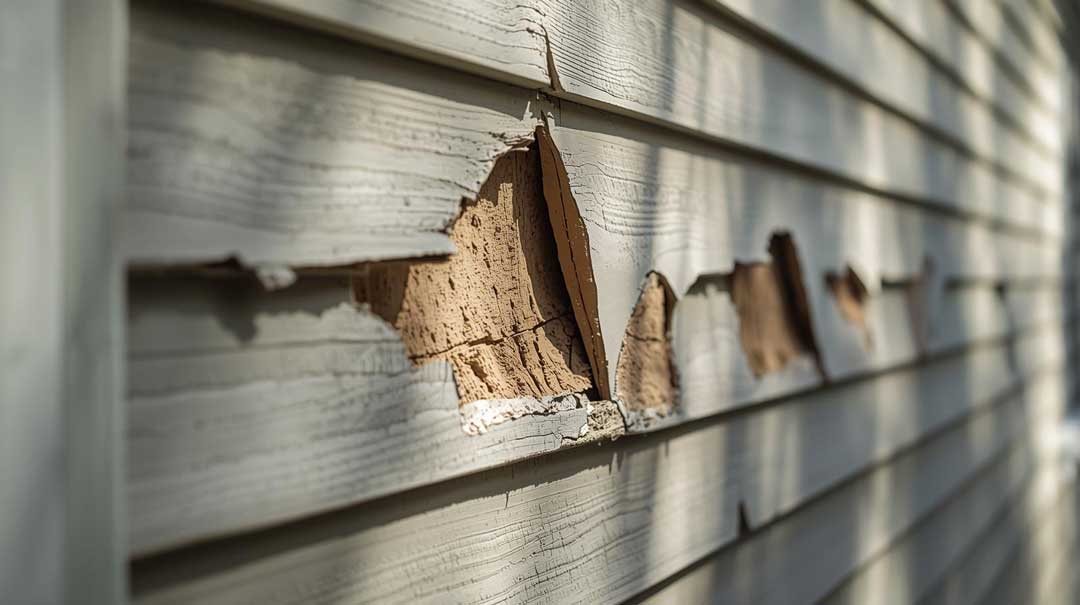
When it comes to siding damage, understanding your insurance coverage is crucial to ensure you are adequately protected in case of any unforeseen events. Let’s delve into the types of home insurance policies that typically cover siding damage, any exclusions or limitations related to siding damage in standard insurance policies, and tips on how homeowners can ensure they have the right coverage.
Types of Home Insurance Policies
- Most standard homeowners insurance policies provide coverage for sudden and accidental damage to your siding caused by covered perils such as fire, windstorm, hail, or vandalism.
- It’s important to review your policy to understand the specific coverage for siding damage and any exclusions that may apply.
Exclusions and Limitations
- Some insurance policies may exclude coverage for siding damage caused by wear and tear, lack of maintenance, or gradual deterioration.
- There may be limits on the coverage amount for siding damage, so homeowners should be aware of any caps on reimbursement.
Tips for Adequate Coverage
- Regularly review and update your homeowners insurance policy to ensure it reflects the current value of your home and the cost of repairing or replacing damaged siding.
- Consider adding endorsements or riders to your policy for additional coverage specifically for siding damage, especially if you live in an area prone to severe weather.
- Document the condition of your siding through photos and keep records of any maintenance or repairs done to support your insurance claims in case of damage.
Preventing Siding Damage
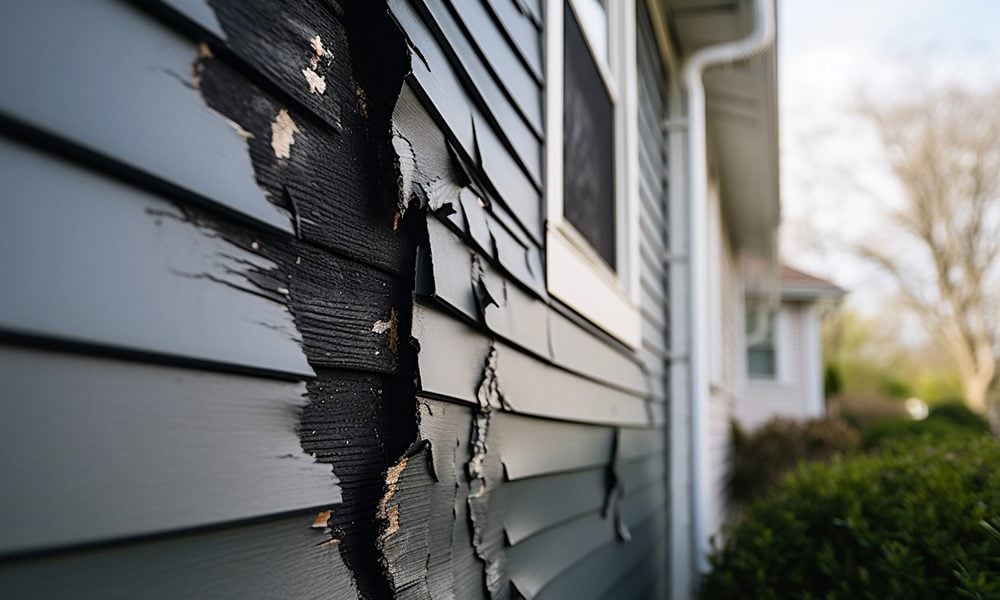
Ensuring the longevity and durability of your home’s siding is crucial in maintaining the overall integrity of your property. By taking proactive steps to prevent common causes of siding damage, homeowners can potentially reduce the risk of insurance claims and lower their insurance premiums.
Regular Inspection and Maintenance
One of the most effective ways to prevent siding damage is to conduct regular inspections and maintenance. By inspecting your siding for any signs of wear, cracks, or loose panels, you can address issues before they escalate into more significant problems.
- Inspect your siding at least once a year, paying close attention to areas prone to damage such as corners, edges, and around windows and doors.
- Keep your siding clean by washing it with a mild detergent and a soft brush to remove dirt, mold, and mildew that can cause damage over time.
- Trim trees and bushes near your home to prevent branches from rubbing against the siding and causing scratches or damage.
Maintaining Proper Drainage
Improper drainage can lead to water seeping behind your siding, causing rot, mold, and other damage. By ensuring proper drainage around your home, you can prevent water-related siding damage.
- Clean your gutters regularly to prevent clogs that can cause water to overflow and seep into your siding.
- Ensure downspouts are directed away from the foundation of your home to prevent water from pooling near the siding.
- Check for any leaks in your roof or around windows and doors that could allow water to enter behind the siding.
Proactive Repairs and Upkeep
Addressing small repairs promptly and keeping up with regular upkeep can help prevent minor issues from turning into significant siding damage.
- Replace damaged or missing caulk around windows and doors to prevent water infiltration behind the siding.
- Paint or seal your siding as recommended by the manufacturer to protect it from the elements and extend its lifespan.
- Repair any loose or damaged siding panels to maintain the structural integrity of your home’s exterior.
General Inquiries
Can damaged siding really affect my home insurance premiums?
Yes, damaged siding can impact your home insurance rates as insurers consider the overall condition of your property when determining premiums.
What are some common types of siding damage that could influence insurance premiums?
Common types of siding damage include cracks, rot, and impact damage, all of which can lead to increased premiums due to the potential risks they pose.
How can homeowners ensure they have adequate coverage for siding damage?
To ensure adequate coverage, homeowners should review their insurance policies to understand what is covered and consider adding endorsements or riders for specific siding damage protection.