Best Financing Options for a Major Exterior Home Renovation
Understanding the Project Scope
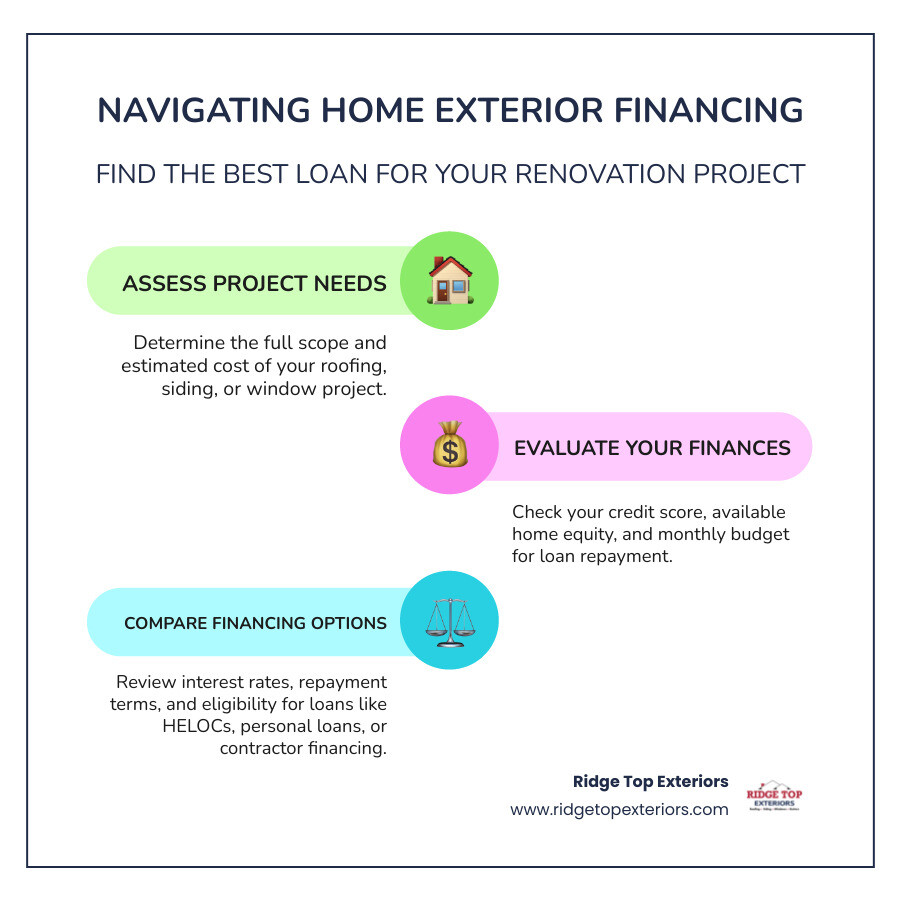
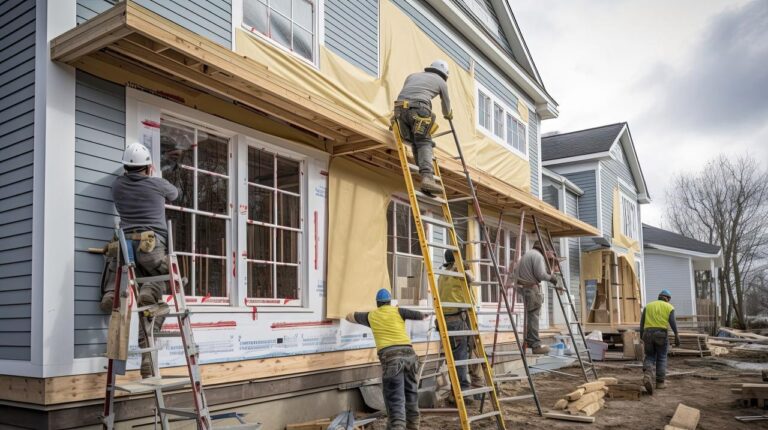
When embarking on a major exterior home renovation, it is crucial to have a clear understanding of the project scope to ensure a successful outcome. This involves defining the extent of the renovation and identifying all the necessary elements that will be included in the project.Common elements typically involved in a major exterior home renovation may include but are not limited to:
- Roofing: Repairing or replacing the roof to enhance the overall appearance and functionality of the home.
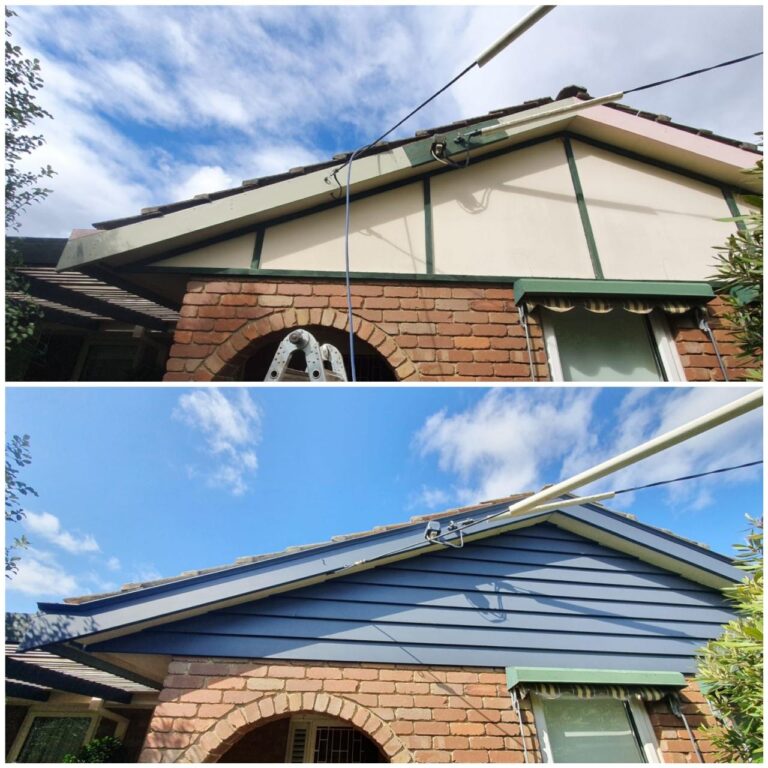
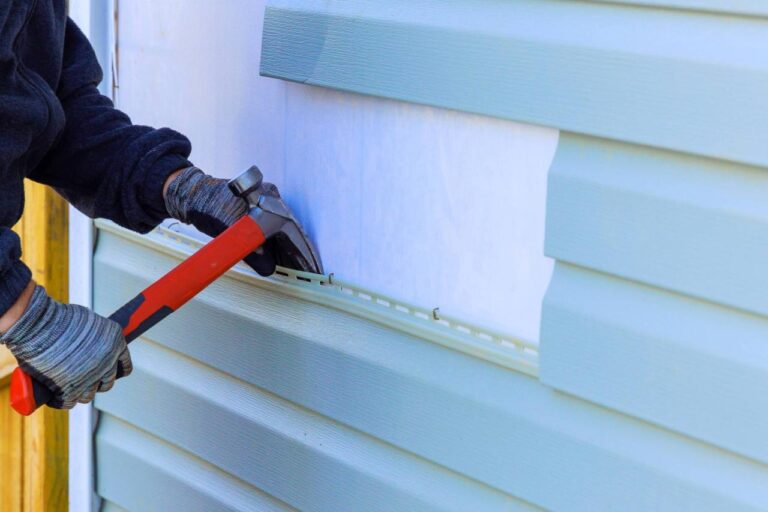
- Siding: Updating or installing new siding to improve the curb appeal and protect the exterior of the house.
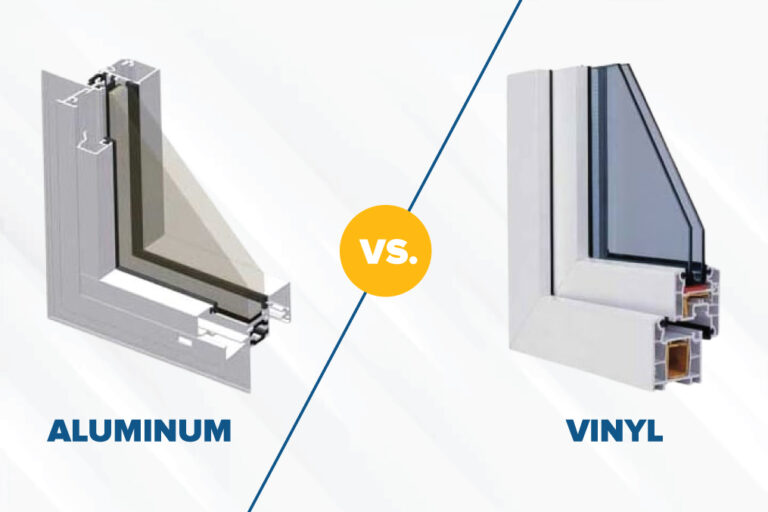
- Windows: Upgrading windows for better insulation, energy efficiency, and aesthetic appeal.
- Doors: Replacing or refurbishing doors to enhance security and improve the overall look of the home.
- Landscaping: Refreshing the landscaping around the property to complement the new exterior renovations.
Thorough planning is essential before starting a major exterior home renovation project. This includes:
- Setting a budget: Determining how much you are willing to spend on the renovation and allocating funds accordingly.
- Creating a timeline: Establishing a realistic timeline for the project to ensure that it is completed in a timely manner.
- Researching contractors: Finding reputable contractors with experience in exterior home renovations to carry out the work.
- Gathering permits: Ensuring that all necessary permits are obtained before beginning the renovation to avoid any legal issues.
Budgeting for the Renovation
Setting a realistic budget is crucial when planning a major exterior home renovation. Without a clear budget in place, you may end up overspending or cutting corners on important aspects of the project. Here are some tips to help you estimate costs accurately and prepare for potential unexpected expenses.
Significance of Setting a Realistic Budget
- Having a realistic budget allows you to prioritize the most important aspects of the renovation and allocate funds accordingly.
- It helps you avoid financial stress and ensures that you can complete the project without running out of funds midway.
- A well-planned budget also helps you make informed decisions about where to splurge and where to save during the renovation process.
Tips for Estimating Costs Accurately
- Research the average costs of materials and labor in your area to get a better idea of how much you should budget for each aspect of the renovation.
- Get multiple quotes from different contractors to compare prices and choose the one that offers the best value for your money.
- Include a contingency fund of at least 10-20% of your total budget to account for unexpected expenses that may arise during the renovation.
Potential Unexpected Expenses to Consider
- Structural issues: If your home has underlying structural problems that need to be addressed during the renovation, it can significantly increase the overall cost.
- Permit fees: Depending on the scope of your renovation, you may need to obtain permits from your local government, which can add to your expenses.
- Change orders: Any changes or additions to the initial plan made during the renovation process can lead to additional costs that were not originally budgeted for.
Financing Options
When it comes to major home renovations, exploring different financing options is crucial to ensure the project’s success. Let’s take a look at some of the common financing methods available and their pros and cons.
Home Equity Loans
Home equity loans involve borrowing against the equity in your home, typically offering a fixed interest rate and a set repayment period. This option can provide access to a large sum of money for renovations, but it puts your home at risk if you fail to make payments.
Personal Loans
Personal loans are unsecured loans that do not require collateral, making them a popular choice for funding home renovations. However, they often come with higher interest rates compared to home equity loans.
Cash-Out Refinancing
Cash-out refinancing involves replacing your existing mortgage with a new one that has a higher loan amount, allowing you to cash out the difference. While this option can provide funds for renovations at a lower interest rate, it extends the repayment period of your mortgage.
Eligibility Criteria
The eligibility criteria for different financing options vary based on factors such as credit score, income, and the amount of equity in your home. Lenders will evaluate these factors to determine your eligibility for a loan and the terms of the financing.
Home Equity Loans
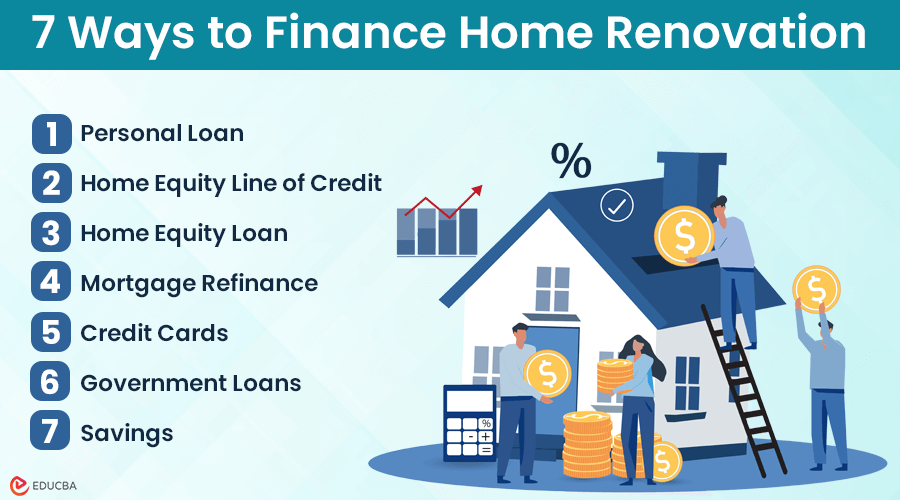
A home equity loan is a type of loan that allows homeowners to borrow against the equity in their home. The equity is the difference between the current market value of the home and the amount still owed on the mortgage.
Home equity loans are usually fixed-rate loans with a set repayment term, typically ranging from 5 to 30 years.
Benefits of Using a Home Equity Loan for Financing a Renovation
- Lower interest rates: Home equity loans typically have lower interest rates compared to other types of loans, such as personal loans or credit cards. This can result in significant savings over time.
- Tax-deductible interest: In many cases, the interest paid on a home equity loan is tax-deductible, making it a cost-effective financing option for home renovations.
- Larger loan amounts: Home equity loans allow homeowners to borrow larger amounts of money based on the equity in their home, making it ideal for major renovations.
- Fixed monthly payments: With a fixed-rate home equity loan, homeowners have predictable monthly payments, making it easier to budget for the renovation project.
Tips on Maximizing the Benefits of a Home Equity Loan
- Shop around for the best rates: Compare offers from different lenders to ensure you get the best possible interest rate on your home equity loan.
- Use the loan for home improvements: To maximize the tax benefits, make sure the funds from the home equity loan are used for qualified home improvements.
- Stick to your budget: It’s important to only borrow what you need and can afford to repay to avoid overleveraging your home equity.
- Consider the loan term: Choose a loan term that aligns with your financial goals and ability to make monthly payments comfortably.
Personal Loans
When it comes to financing a major home renovation, personal loans can be a viable option for homeowners looking to fund their projects. Personal loans are unsecured loans that can be used for a variety of purposes, including home improvements.
Comparing Personal Loans to Other Financing Options
- Interest Rates: Personal loans typically have higher interest rates compared to home equity loans, but lower rates than credit cards.
- Repayment Terms: Personal loans offer fixed repayment terms, usually ranging from 1 to 7 years, providing a clear timeline for paying off the loan.
- Flexibility: Unlike home equity loans that require your home as collateral, personal loans do not put your property at risk.
Choosing the Right Personal Loan
When selecting a personal loan for your renovation project, consider the following tips:
- Compare Interest Rates: Shop around and compare interest rates from different lenders to find the best deal.
- Check for Fees: Be aware of any origination fees, prepayment penalties, or other charges that may impact the overall cost of the loan.
- Review Repayment Terms: Make sure the repayment terms align with your budget and financial goals.
- Verify Eligibility: Check the eligibility requirements for the loan, such as credit score and income criteria, to ensure you qualify.
Cash-Out Refinancing
Cash-out refinancing is a financial strategy where homeowners refinance their mortgage for more than the amount owed and pocket the difference in cash. This type of refinancing allows homeowners to tap into their home equity to finance major expenses like home renovations, without taking out a separate loan.
Benefits of Cash-Out Refinancing
- Lower interest rates compared to other financing options like personal loans.
- Interest paid on the cash-out amount may be tax-deductible if used for home improvements.
- Consolidation of high-interest debts into a single, more manageable monthly payment.
Risks of Cash-Out Refinancing
- Increased mortgage amount and potentially higher monthly payments.
- Risk of losing your home if you cannot repay the new, larger mortgage.
- Possible decrease in home equity if the property value drops.
Suitability of Cash-Out Refinancing
- When interest rates are lower than your current mortgage rate.
- For homeowners with substantial home equity looking to fund a major renovation project.
- To consolidate high-interest debts and improve overall financial health.
FAQ Summary
What is considered a major exterior home renovation?
A major exterior home renovation typically includes projects like roofing, siding, windows, and other significant structural changes that enhance the exterior appearance and functionality of the home.
How can I estimate the costs of a major renovation accurately?
It’s essential to get detailed quotes from contractors, consider potential unexpected expenses, and set aside a contingency fund to cover any unforeseen costs that may arise during the renovation.
What are the eligibility criteria for home equity loans?
Eligibility for a home equity loan usually depends on factors such as credit score, income, existing debt, and the amount of equity you have in your home. Lenders will assess these criteria to determine if you qualify for the loan.